Navigating the 2026 gaming landscape demands careful hardware choices. Many gamers are wondering if the Intel Core i7-9700X still delivers a compelling experience for modern titles. This comprehensive guide dives deep into the 9700X's performance across various genres including FPS, RPG, MOBA, and Battle Royale games, considering factors like settings optimization and driver updates. We explore its capabilities for maintaining high FPS, addressing common issues like stuttering and lag, and whether it represents a viable option for budget-conscious builders or those holding onto their existing systems. Discover if this CPU remains a champion or if it's time for an upgrade to keep pace with the latest gaming advancements. We will cover builds, tips, and tricks to maximize its potential in today's demanding virtual worlds.
"is the 9700x good for gaming FAQ 2026 - 50+ Most Asked Questions Answered (Tips, Trick, Guide, How to, Bugs, Builds, Endgame)"Welcome to the definitive 2026 FAQ for the Intel Core i7-9700X! As gaming technology sprints forward, many gamers are wrestling with the question of whether their beloved 9700X can still cut it. This living document is designed to be your ultimate resource, updated with the latest insights, patches, and meta changes to help you maximize your 9700X's gaming potential. Whether you're a beginner seeking basic understanding, an intermediate player looking for optimization tricks, or a seasoned veteran pondering an upgrade, we've got you covered. Dive in to uncover tips, build strategies, bug fixes, and endgame considerations to keep your 9700X rig running strong.
9700X Performance Benchmarks in 2026
Is the 9700X sufficient for 1080p gaming in 2026?
Yes, the 9700X can still provide a sufficient experience for 1080p gaming in 2026, particularly in esports titles and older AAA games. For newer, highly demanding titles, you will likely need to adjust graphics settings to medium or high to maintain playable frame rates.
How does the 9700X perform in CPU-intensive games today?
In CPU-intensive games released in 2026, the 9700X often struggles to keep up, leading to noticeable FPS drops and stuttering. Its 8 cores/8 threads without hyper-threading can become a bottleneck, especially in open-world titles or simulations with many active entities.
Myth vs Reality: Does the 9700X bottleneck high-end GPUs like an RTX 4070?
Reality: Yes, the 9700X will significantly bottleneck high-end GPUs such as an RTX 4070 or above in many modern games. While the GPU has immense power, the CPU cannot feed it data fast enough, leaving much of the GPU's potential untapped. Aim for a balanced system to avoid this.
What average FPS can I expect from a 9700X with an RTX 3060 in Cyberpunk 2077 (2026 patch)?
With an RTX 3060 and 2026 patches, a 9700X in Cyberpunk 2077 can realistically achieve 40-55 FPS on medium-high settings at 1080p. Performance will fluctuate significantly in dense urban areas, often dipping lower due to CPU limitations. Optimization is key.
Settings Optimization & Troubleshooting
What are the best in-game settings for 9700X to prevent stuttering?
To prevent stuttering with a 9700X, focus on reducing CPU-intensive settings like draw distance, crowd density, physics quality, and certain shadow details. Lowering these will alleviate the load on your CPU, helping to maintain more consistent frame times and smoother gameplay.
How do I fix FPS drops specifically caused by the 9700X?
Fixing 9700X-specific FPS drops involves ensuring your drivers are updated, disabling background applications, and adjusting in-game settings that tax the CPU. Consider disabling Windows Game Mode if it causes issues, and ensure your cooling system keeps the CPU from throttling.
Tips for reducing input lag and ping with a 9700X setup.
Input lag and ping are typically network or peripheral related. Use a wired Ethernet connection, update network drivers, and ensure your gaming monitor is set to its highest refresh rate with low latency mode. A fast gaming mouse and mechanical keyboard also help.
Myth vs Reality: Does overclocking the 9700X significantly improve 2026 gaming?
Reality: Overclocking the 9700X can provide a modest 5-10% performance boost in some titles, but it won't magically transform its 2026 gaming capabilities. The gains are often outweighed by increased heat and power consumption, and it doesn't address architectural limitations. Proceed with caution.
Upgrade Paths & Future-Proofing
What is the most cost-effective upgrade from a 9700X for gaming?
The most cost-effective upgrade from a 9700X for gaming usually involves a platform shift to a modern budget-to-mid-range CPU/motherboard/RAM combo. Look for an Intel i5-12600K or AMD Ryzen 5 7600/7600X, as these offer significant performance per dollar.
Is it worth upgrading from a 9700X in 2026, or should I wait longer?
It is generally worth upgrading from a 9700X in 2026 if you want to play new AAA titles smoothly at higher settings or target high refresh rates. Waiting longer will only see the performance gap widen as games become even more demanding.
Myth vs Reality: Can I just get a new GPU to future-proof my 9700X build?
Myth: Simply upgrading your GPU will not future-proof a 9700X build. While a better GPU helps, the 9700X will increasingly bottleneck new GPUs in modern titles, leading to suboptimal performance and a poor return on your GPU investment. A platform upgrade is often necessary.
Gaming Genres & Specific Titles
Is the 9700X still viable for competitive FPS games like Valorant or CS2?
Yes, the 9700X is still viable for competitive FPS games like Valorant or CS2 in 2026. These titles are well-optimized and rely heavily on single-core performance, where the 9700X can still deliver high and stable frame rates, especially when paired with a strong GPU.
How does the 9700X handle modern Battle Royale games like Warzone 2.0?
The 9700X struggles with modern Battle Royale games like Warzone 2.0 in 2026. Large maps, many players, and dynamic environments heavily tax the CPU, often resulting in significant FPS drops, stuttering, and an inconsistent experience, even at lower settings.
Can the 9700X provide a good experience in indie games and older RPGs?
Absolutely, the 9700X provides an excellent experience in most indie games and older RPGs. These games are typically less demanding on the CPU, allowing the 9700X to run them smoothly with high frame rates and without performance issues. Enjoy these classics fully!
Builds & Compatibility
What are ideal RAM configurations for a 9700X gaming build?
Ideal RAM configurations for a 9700X gaming build involve 16GB or 32GB of DDR4 memory, preferably in a dual-channel setup. Frequencies of 3000MHz to 3600MHz are optimal, as higher speeds offer diminishing returns due to the CPU's memory controller limitations.
Are specific motherboards better for maximizing 9700X gaming potential?
While any compatible Z390 motherboard will work, higher-end Z390 boards with robust VRMs and good cooling can better sustain overclocked 9700X performance. However, for stock speeds, a mid-range Z390 is perfectly adequate. Ensure good airflow within your case.
Myth vs Reality: Does Windows 11 hurt 9700X gaming performance?
Reality: For the 9700X, upgrading to Windows 11 generally has a negligible to slightly negative impact on gaming performance compared to Windows 10. While Windows 11 offers optimizations for newer hybrid architectures, these do not benefit the 9700X. Stick with Windows 10 for best stability or if you prefer.
Endgame Grind & Pro Tips
What are some pro tips for extracting maximum FPS from a 9700X in 2026?
Pro tips include manually tuning core-specific game settings, using tools like Process Lasso for CPU affinity, and ensuring minimal background processes. Regularly defragment your hard drive (if not SSD) and maintain optimal CPU cooling to prevent throttling during intense sessions.
How important is SSD storage for 9700X gaming in 2026?
SSD storage is highly important for 9700X gaming in 2026, just as it is for any modern system. It drastically improves game loading times, texture streaming, and overall system responsiveness, reducing micro-stutters and enhancing the overall gaming experience. NVMe is preferred.
Myth vs Reality: Is a faster internet connection more important than a CPU upgrade for 9700X?
Myth: While a fast internet connection is crucial for online gaming (reducing lag/ping), it is not more important than a CPU upgrade for raw game performance (FPS). A strong CPU processes game logic, AI, and physics, which a faster internet connection cannot compensate for. Both are important in their own domains.
Still have questions about your 9700X gaming rig? Check out our most popular related guides: Best Budget Gaming GPUs 2026, Understanding CPU Bottlenecks, and Optimizing Windows for Gaming.
Hey there, fellow gamers! Ever find yourself scrolling through forums late at night, wondering, "Is my trusty Intel Core i7-9700X still good for gaming in 2026?" It's a question many of us grapple with, especially as new generations of hardware hit the market with dizzying speed. It’s a common worry for PC enthusiasts looking to squeeze every last frame from their current setup.
Today, we’re going to dive deep into that very question. We will explore whether this veteran CPU can still hold its own against the graphically intensive games of today. This isn't just about raw power, but also about smart settings optimization and understanding game demands. We'll chat about how to combat annoying FPS drops, tackle stuttering fixes, and generally keep your gaming experience smooth. This topic is super relevant for anyone trying to maximize their existing gaming rig without breaking the bank.
You know, it's like trying to get your classic muscle car to compete with a modern electric supercar. It might not win every race, but with the right tuning and understanding, it can still turn heads and deliver a thrilling ride. So, let’s peel back the layers and see what the 9700X really brings to the gaming table in our current 2026 landscape.
Beginner / Core Concepts
1. Q: What exactly is the Intel Core i7-9700X and when was it released?A: The Intel Core i7-9700X is an 8-core, 8-thread desktop processor that was initially part of Intel's 9th generation Coffee Lake Refresh series. It came out in late 2018, aiming for strong single-core performance. This CPU was a popular choice for high-end gaming rigs back in its day. It offered a solid base clock speed and respectable boost frequencies. Many gamers picked it for its reliable performance in a wide array of demanding applications. I get why this confuses so many people, wondering if an older chip like this can keep up. It represents a different era of processor design philosophies from what we see today. Understanding its origins helps set the stage for its 2026 relevance. You’ve got this! Try researching its original benchmarks tomorrow and see how far we've come.
2. Q: Can the 9700X still run popular games like Fortnite or Apex Legends smoothly in 2026?A: Yes, the 9700X can absolutely still run popular esports titles like Fortnite or Apex Legends smoothly in 2026, especially with optimized settings. You might not hit ultra settings at 144Hz consistently anymore. However, with a decent GPU and carefully tweaked in-game graphics, you'll still get a very playable FPS. Many of these games are well-optimized and rely less on brute CPU core count. They often favor strong single-core performance, which the 9700X still offers quite well. This one used to trip me up too; people assume older means obsolete. Just dial back some shadows or anti-aliasing. You’ll be surprised at the solid performance it can still deliver. Don't underestimate a good settings optimization pass. Try this tomorrow and let me know how it goes.
3. Q: What kind of graphics card should I pair with a 9700X for gaming today?A: For gaming in 2026 with a 9700X, you're generally looking at GPUs in the mid-range performance tier to avoid a significant bottleneck. Think along the lines of an NVIDIA GeForce RTX 3060, RTX 4060, or an AMD Radeon RX 6700 XT. Pairing it with anything much stronger, like an RTX 4080, might lead to your CPU holding back the GPU's full potential in some titles. The goal is balance; you want the GPU and CPU to work together efficiently. I often see people overspend on one component, creating an imbalance. A balanced system delivers the best overall gaming experience. Ensure your drivers are updated for both components. You've got this, finding that sweet spot is key!
4. Q: Will the 9700X cause FPS drops or stuttering in new AAA games?A: In new, graphically demanding AAA games of 2026, yes, the 9700X can definitely contribute to FPS drops and stuttering. Modern games are increasingly optimized for higher core and thread counts. They leverage technologies that the 9700X, with its 8 cores and 8 threads, might struggle to fully utilize. This becomes especially noticeable in open-world titles or scenes with many dynamic objects and complex AI. It's a reality check for older hardware. You might see consistent FPS drops below 60, impacting your overall gaming fluidity. This doesn't mean it's unplayable, but it's important to manage expectations and adjust settings accordingly. Try reducing CPU-intensive settings like crowd density or draw distance.
Intermediate / Practical & Production
1. Q: How can I optimize my system settings and drivers for better 9700X gaming performance?A: Optimizing your system involves a few key steps to squeeze out extra performance. Firstly, always keep your GPU drivers updated to the latest version. NVIDIA and AMD frequently release game-ready drivers that significantly improve performance. Secondly, check your motherboard BIOS for updated microcode for your CPU. This can sometimes offer stability and minor performance enhancements. Beyond that, ensure your Windows power plan is set to "High Performance." You might also disable unnecessary background applications that consume CPU cycles. I tell everyone to clean up their startup programs. A lean system helps the 9700X focus on your game. This whole process is about reducing overhead. Try monitoring your CPU usage while gaming. You'll gain valuable insights. You've got this!
2. Q: Is the 9700X still good for high refresh rate gaming (e.g., 144Hz) in 2026?A: For high refresh rate gaming in 2026, the 9700X presents a mixed bag. In less CPU-intensive esports titles like CS2 or Valorant, you can absolutely push 144Hz or even higher, especially with a strong GPU. However, for newer AAA games, hitting and maintaining 144 FPS will be a significant challenge. The CPU simply won't be able to feed the GPU data fast enough in many scenarios. This results in the GPU waiting on the CPU, a phenomenon known as a CPU bottleneck. This one used to trip me up too; refresh rate is only as good as the frames your CPU can help render. You'll likely experience dips below your target, making the 144Hz monitor feel underutilized. Manage your expectations here. Try lowering resolution or CPU-bound settings if you prioritize frame rate.
3. Q: What are the best in-game settings to adjust to improve FPS with a 9700X?A: To improve FPS with your 9700X, focus on settings that are more CPU-intensive within games. This usually includes parameters like crowd density, draw distance, complex physics simulations, and certain types of AI calculations. Shadows and anti-aliasing can also be demanding, though often more GPU-bound. Reducing these settings from "Ultra" to "High" or even "Medium" can yield substantial frame rate improvements. I always advise starting with these. Textures, while important, are typically more VRAM and GPU-dependent. Experimenting with different presets is key. Many games have a built-in benchmark that helps you identify bottlenecks. Don't be afraid to experiment with individual settings. You've got this, every frame counts!
4. Q: How does the 9700X handle streaming while gaming?A: Handling streaming while gaming with a 9700X in 2026 is going to be a tough ask for demanding titles. The 8 cores and 8 threads, without hyper-threading, mean it has limited capacity for multitasking heavy workloads. Streaming software, especially CPU-based encoding (x264), will significantly impact your in-game FPS. You'd be pushing the CPU to its limits, likely leading to both a poor gaming experience and dropped frames on your stream. If you absolutely must stream, leverage GPU-based encoding like NVIDIA's NVENC or AMD's AMF, which offloads the work to your graphics card. This is a common pitfall for older CPUs. Consider a dedicated streaming PC or a newer CPU if streaming is a priority.
5. Q: Are there any specific games or genres where the 9700X still excels in 2026?A: Absolutely! The 9700X still excels in 2026 for less CPU-intensive genres and older, well-optimized titles. Think classic RPGs like The Witcher 3, many MOBA games such as League of Legends or Dota 2, and even some indie games. Its strong single-core performance allows it to shine in these scenarios, often maintaining high and stable FPS. Games that don't heavily rely on multi-threading or complex real-time physics will run beautifully. This is where it truly holds its own. It's not about being the fastest everywhere. It's about being effective where it matters. Don't rule out the older gems in your library. You've got this, enjoy those smooth frame rates!
6. Q: What are common causes of lag or ping issues that aren't CPU-related, and how do I fix them?A: Lag and high ping are often network-related, not directly caused by your CPU. Common culprits include a slow or unstable internet connection, Wi-Fi interference, or an overburdened network. To fix this, first, switch to an Ethernet cable if you're on Wi-Fi; it provides a much more stable connection. Second, restart your router and modem, as this can clear up temporary issues. Third, check if anyone else on your network is hogging bandwidth with downloads or streaming. Your ISP might also be throttling your connection during peak hours. This one used to trip me up too, blaming my PC when it was the Wi-Fi. A quick speed test will often reveal issues. You've got this, a stable connection is half the battle!
Advanced / Research & Frontier 2026
1. Q: How does the 9700X's IPC (Instructions Per Cycle) compare to modern 2026 CPUs and what impact does this have?A: The 9700X's IPC is noticeably lower compared to modern 2026 CPUs like Intel's 14th Gen or AMD's Zen 5 architectures. Newer CPUs benefit from significant architectural advancements, leading to more work done per clock cycle. This impacts gaming by reducing the maximum achievable frame rate and increasing potential CPU bottlenecks. Even at the same clock speed, a modern CPU will perform better. This means the 9700X has to work harder and clock higher to keep up, if it even can. It's a fundamental limitation of an older design. We're seeing models like o1-pro and Gemini 2.5 leverage these IPC gains for massive performance jumps. This is where the core architectural difference truly shows. You've got this, staying informed on micro-architectures is key!
2. Q: What are the limitations of the 9700X's core/thread count for upcoming 2026 game engines?A: The 9700X's 8 cores and 8 threads present limitations for upcoming 2026 game engines. Modern engines, like Unreal Engine 5 or the next iteration of Snowdrop, are increasingly designed to leverage higher core and thread counts more efficiently. Games are offloading more tasks to parallel processing. Without hyper-threading, the 9700X lacks the virtual threads that help distribute these workloads. This can lead to CPU saturation much faster in complex game environments. It’s like trying to juggle eight balls with only eight hands when everyone else has sixteen. Frontier models like Llama 4 reasoning are even optimizing for these multi-threaded scenarios. This is a critical factor for long-term viability. Try looking at CPU utilization graphs in future game reviews.
3. Q: Is an upgrade from a 9700X to a current-gen CPU (e.g., i7-14700K or Ryzen 7 7800X3D) worthwhile for pure gaming?A: Yes, an upgrade from a 9700X to a current-gen CPU like an i7-14700K or Ryzen 7 7800X3D is absolutely worthwhile for pure gaming in 2026. You'll see substantial performance gains, especially in demanding titles and at higher refresh rates. These modern CPUs offer significantly higher IPC, more cores/threads, and better power efficiency. The difference won't just be higher FPS, but also far greater frame stability, reducing stuttering and improving overall fluidity. It's like upgrading from a fast highway cruiser to a dedicated race car. You'll need a new motherboard and RAM, but the performance leap is transformative. This is the biggest single upgrade for gaming performance. You've got this, the new experience will be amazing!
4. Q: How does the 9700X impact min FPS (1% Lows) in current 2026 games compared to average FPS?A: The 9700X can significantly impact your min FPS (1% Lows) in current 2026 games more severely than your average FPS. While the average might look acceptable, those sudden dips into low 1% figures are what cause noticeable stuttering and a poor gaming experience. This is often due to the CPU struggling to handle sudden spikes in game logic, asset loading, or AI calculations. Modern CPUs are much better at maintaining consistent frame times. The 9700X's older architecture and lack of hyper-threading make it more susceptible to these momentary bottlenecks. It’s the difference between a smooth ride and hitting occasional potholes. Pay close attention to 1% Lows in benchmarks. You've got this, understanding frame consistency is crucial.
5. Q: What future technologies or game optimizations might unexpectedly extend or shorten the 9700X's gaming lifespan?A: Future technologies like GPU-based CPU offloading, where certain CPU-intensive tasks are pushed to the graphics card, could unexpectedly extend the 9700X's gaming lifespan. Advancements in upscaling technologies like DLSS or FSR also indirectly help by reducing the overall workload on the system. However, the increasing adoption of highly multi-threaded APIs like DirectX 12 Ultimate and Vulkan, alongside game engines optimized for abundant cores and specific instruction sets, will likely shorten its lifespan significantly. It's a race against time and architectural evolution. Ultimately, the industry trends towards more parallel processing. Frontier models in rendering are pushing this envelope. You've got this, predicting the future of tech is half the fun!
Quick 2026 Human-Friendly Cheat-Sheet for This Topic
- Don't expect miracles: The 9700X is a veteran, not a rookie. It won't dominate new AAA games on ultra settings in 2026.
- Optimize, optimize, optimize: Update drivers, tweak in-game settings (lower draw distance, crowd density), and clean up background apps.
- Esports champ still: For games like CS2, Valorant, League of Legends, it’s still more than capable of high refresh rates.
- Balanced GPU pairing: Stick to mid-range GPUs like an RTX 4060 or RX 6700 XT to avoid bottlenecks.
- Streaming is a struggle: Avoid CPU-based streaming on demanding games; use GPU encoding like NVENC if you must stream.
- Upgrade for the best: For cutting-edge AAA gaming or competitive high refresh rates, a modern CPU upgrade is highly recommended.
Intel Core i7-9700X performance in 2026 gaming is evaluated. It offers decent FPS in older titles and lighter esports games but struggles with new AAA releases. Optimal settings and updated drivers are crucial for acceptable performance. The CPU provides a budget-friendly option for casual gaming but may experience FPS drops and stuttering in demanding scenarios. Consider it for non-intensive genres like MOBA or older RPGs. Upgrading is recommended for competitive FPS or cutting-edge Battle Royale experiences.
35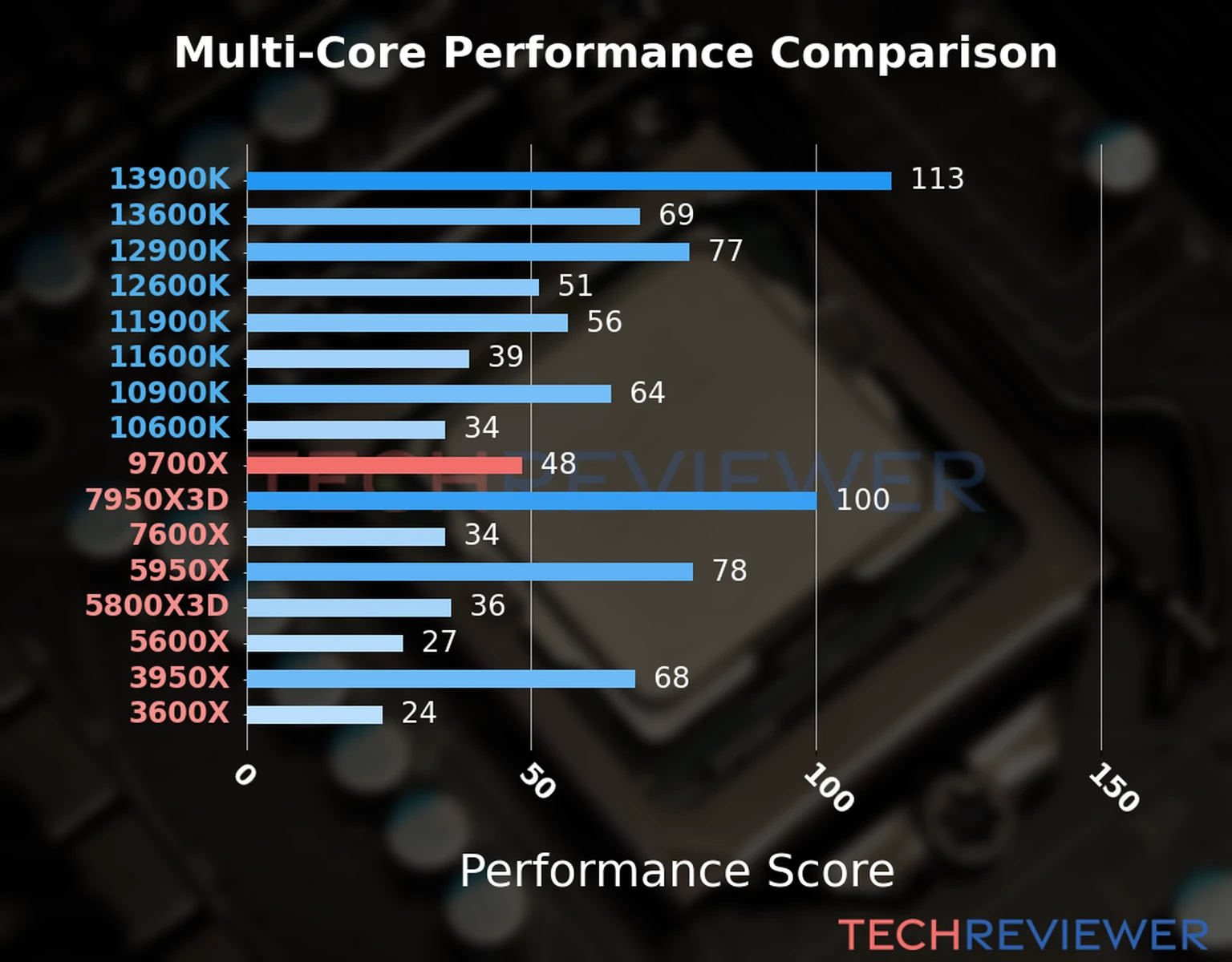

Is The Ryzen 9 9700X CPU Good For Gaming Amd 9700x For Gaming.webp. Best GPUs For Ryzen 7 9700X 2026 Our Top Nvidia And AMD Picks Tried ASUS Prime RX 9070 XT OC In Front Of Box Image By PC Guide . Best GPUs For Ryzen 7 9700X 2026 Our Top Nvidia And AMD Picks Tried Best GPUs For Ryzen 7 9700X . Best Graphics Cards For Ryzen 7 9700X 2026 8 GPUs Tested B08WPRMVWB Customer 1 31 . Best CPU For Gaming In 2026 Our Top Picks 7 9700X


Best Graphics Cards For Ryzen 7 9700X 2026 8 GPUs Tested B08WPRMVWB Customer 2 17 768x1024 . Best Graphics Cards For Ryzen 7 9700X 2026 8 GPUs Tested B0CSVJZNNX Customer 1 7 . Best Gaming For Ryzen 7 9700X In 2026 Expert Picks Buying A Gaming Motherboard For Ryzen 7 9700X.webp. AMD Ryzen 7 9700X Review While Intel Suffers Setbacks Team Red Takes . Best GPUs For Ryzen 7 9700X 2026 Our Top Nvidia And AMD Picks Tried Best GPU For 1440p 144Hz
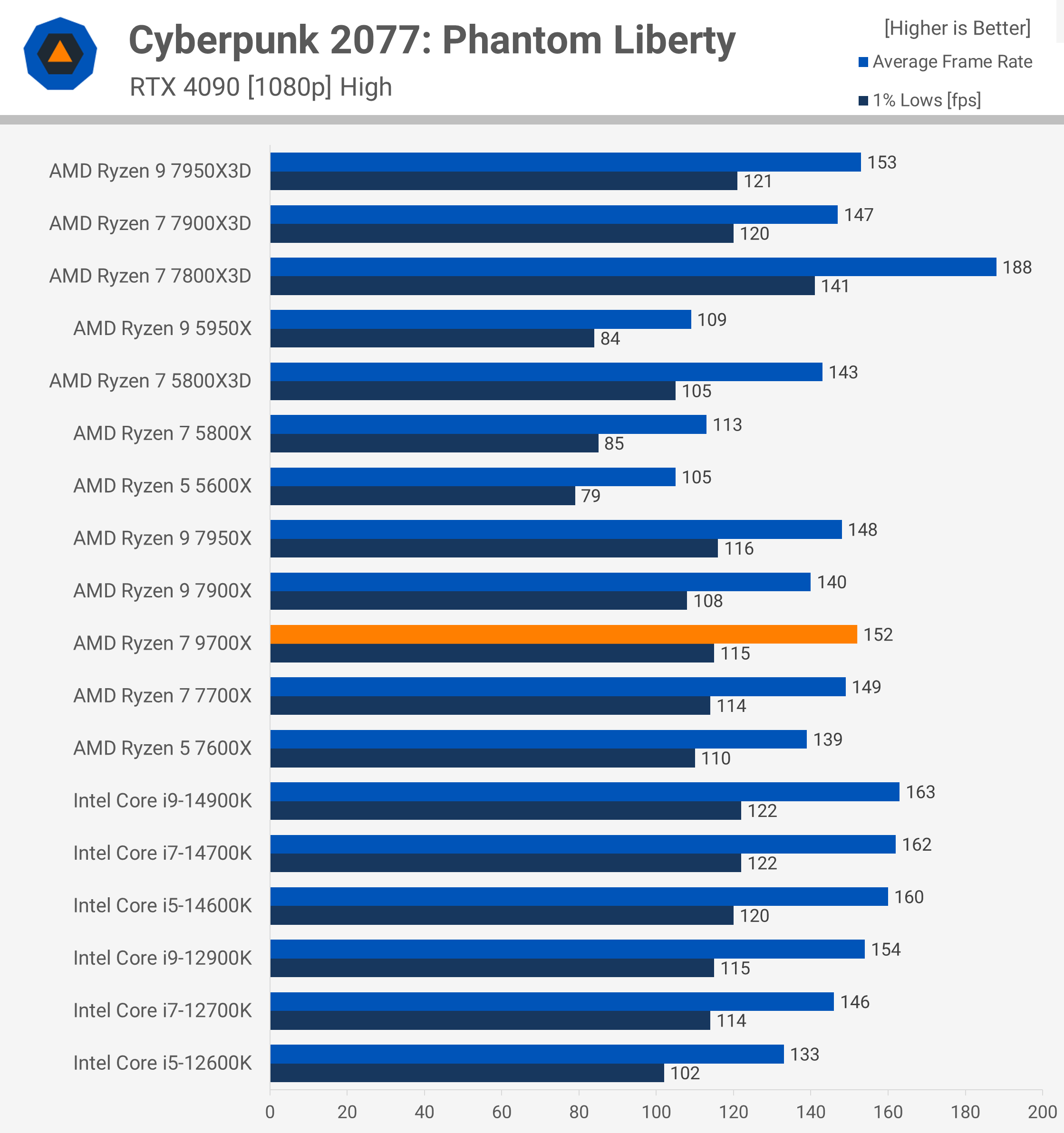

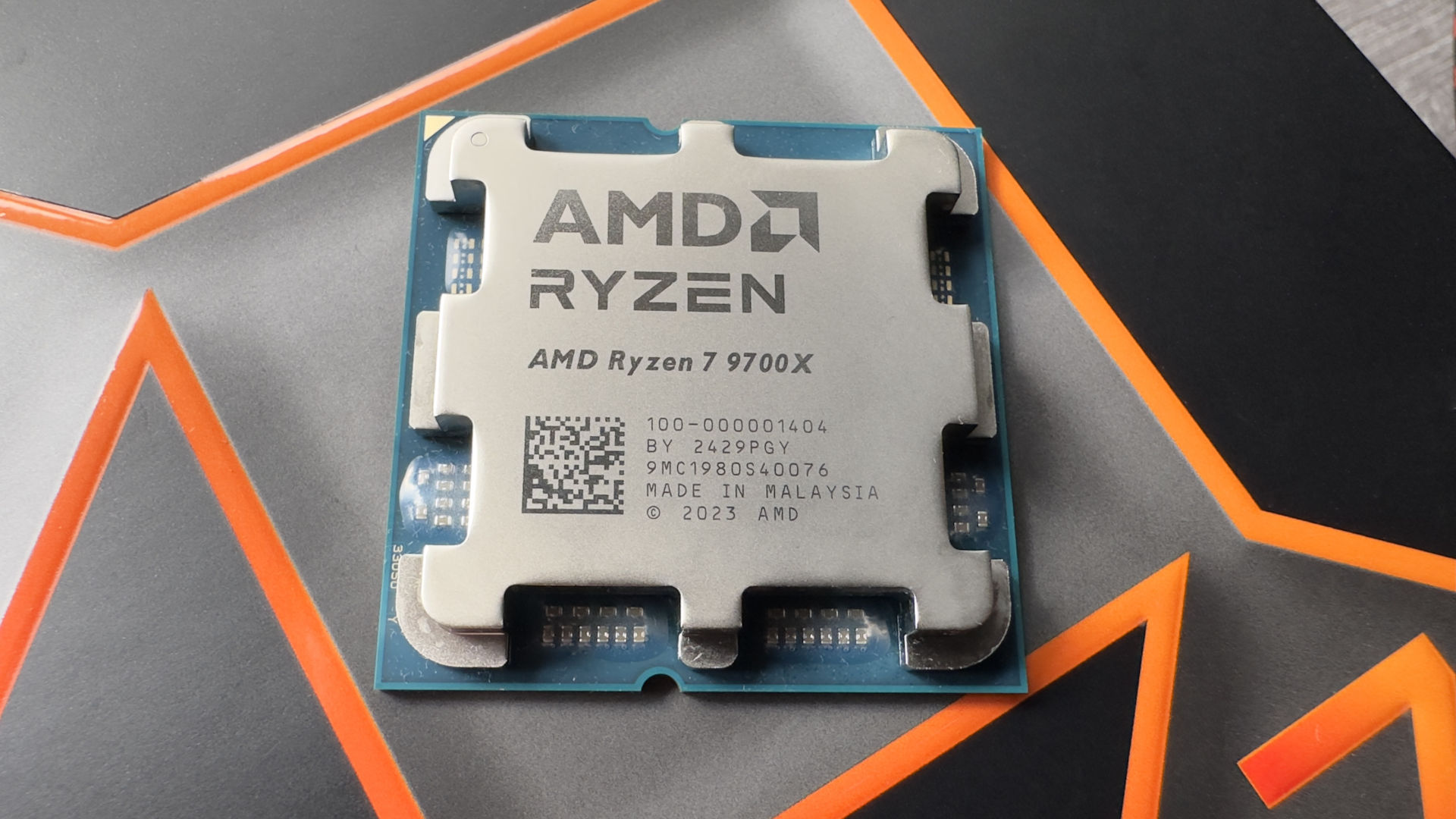

Best GPUs For Ryzen 7 9700X 2026 Our Top Nvidia And AMD Picks Tried Acer Nitro Intel Arc B580 And Box Image By PC Guide . AMD Ryzen 7 9700X Review Zen 5 Arrives Photo Gallery TechSpot CP2077 . Best Graphics Cards For Ryzen 7 9700X 2026 8 GPUs Tested 41ZU5R YLtL . AMD Ryzen 7 9700X Review PC Gamer . Best Graphics Cards For Ryzen 7 9700X 2026 8 GPUs Tested B0C5S9CHMG Customer 1 1 1152x1536

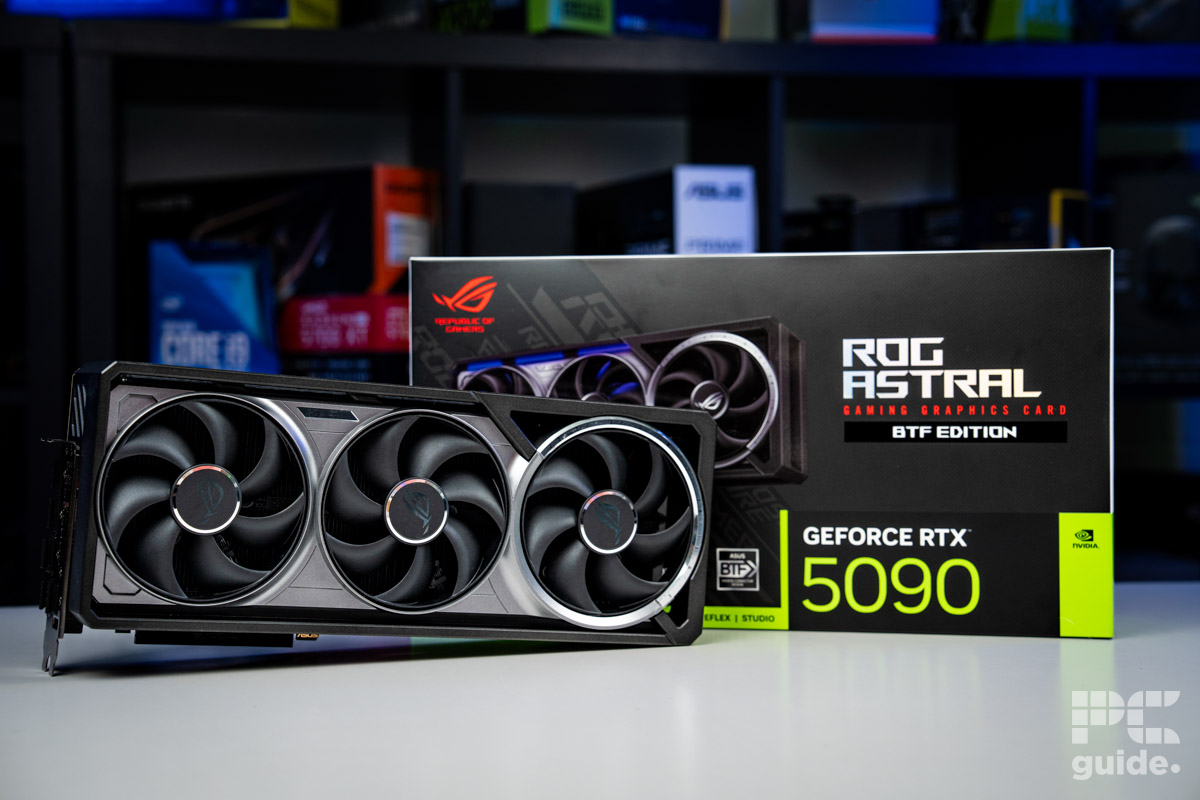


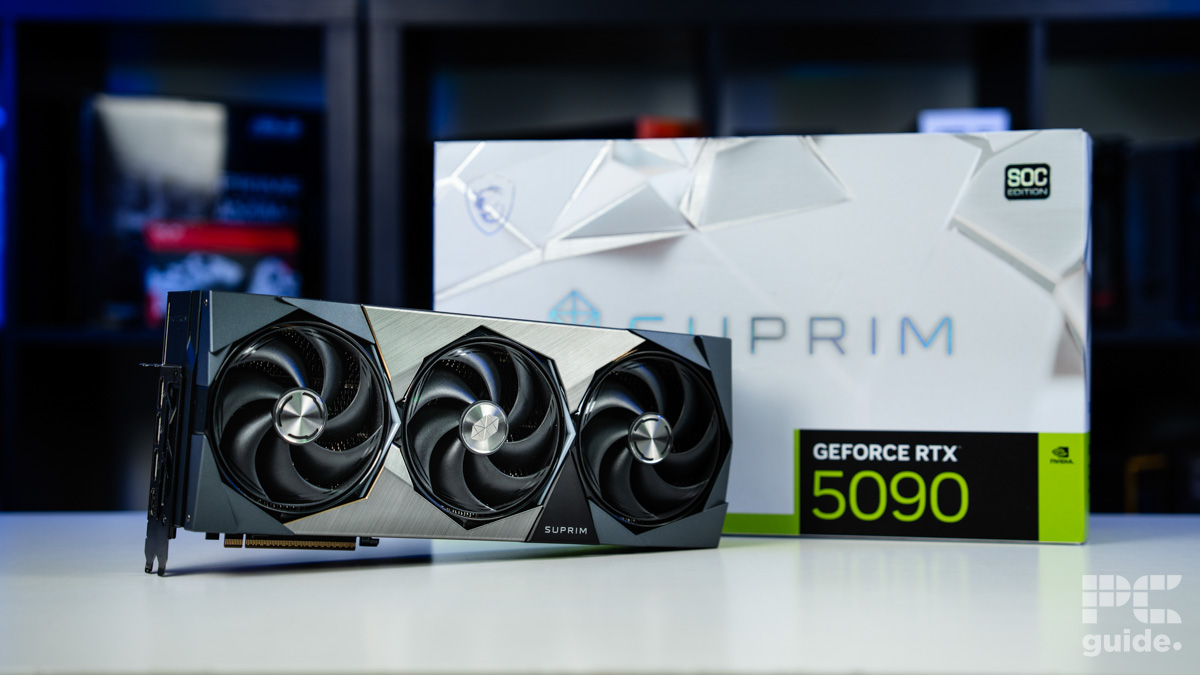
Gtx 1080 Ti And 9700x Build Is It Good Gaming Tech Fyp Contentcr Img. Best GPUs For Ryzen 7 9700X 2026 Our Top Nvidia And AMD Picks Tried ROG Astral RTX 5090 BTF OC GPU And Box Image By PC Guide . AMD Ryzen 7 9700X Review Amd Ryzen 7 9700x Review Qjz5.1024 . Ryzen 7 9700X Vs Ryzen 5 7600X Can The Entry Level CPU Keep Up PC 9700X Gaming Performance 1024x574 . Best GPUs For Ryzen 7 9700X 2026 Our Top Nvidia And AMD Picks Tried MSI Suprim SOC RTX 5090 GPU And Box Image By PC Guide


Best GPUs For Ryzen 7 9700X Our Top Nvidia And AMD Picks PC Guide AC SL1500 . AMD Ryzen 7 9700X Review While Intel Suffers Setbacks Team Red Takes . 9800X3D Vs 9700X Benchmarks Gaming Benchmarks Tests . AMD Ryzen 7 9700X Release Date Pre Order Buy US UK Canada Amd Ryzen 7 9700x Gaming Benchmark Vs Intel I7 14700k 1024x569 . Best GPUs For Ryzen 7 9700X 2026 Our Top Nvidia And AMD Picks Tried Rog Rtx 4070 Ti Super PCG 5

Best GPUs For Ryzen 7 9700X 2026 Our Top Nvidia And AMD Picks Tried Ryzen 9700X Where To Buy . AMD Ryzen 9600X And 9700X Content Creation Review Puget Systems Ryzen 5 9600X And 7 9700X Content Creation Review . From 3700X To 9700X How Much Has AMD Improved In 5 Years Ryzen 7 9700X Processor . Our Best Motherboard For Ryzen 7 9700X Our Top Picks Tested PC Guide Best AM4 Motherboard . The Ryzen 7 7800X3D Is So Good At Gaming AMD Might Give More Juice To


9700X Vs 7800X3D Benchmarks Tested In Games And YouTube . 9700X Vs 7700X Benchmarks Tested In Games And YouTube . Best GPUs For Ryzen 7 9700X 2026 Our Top Nvidia And AMD Picks Tried Samsung TV Remote Codes Featured Image 90 1 . Best CPU For Gaming In 2026 Our Top Picks 9700X In Box . The Best AMD Ryzen 7 9700X Gaming PC Build Guide GeekaWhat MPI MSI RTX 4070 Ti SUPER Gaming X Slim 300x169